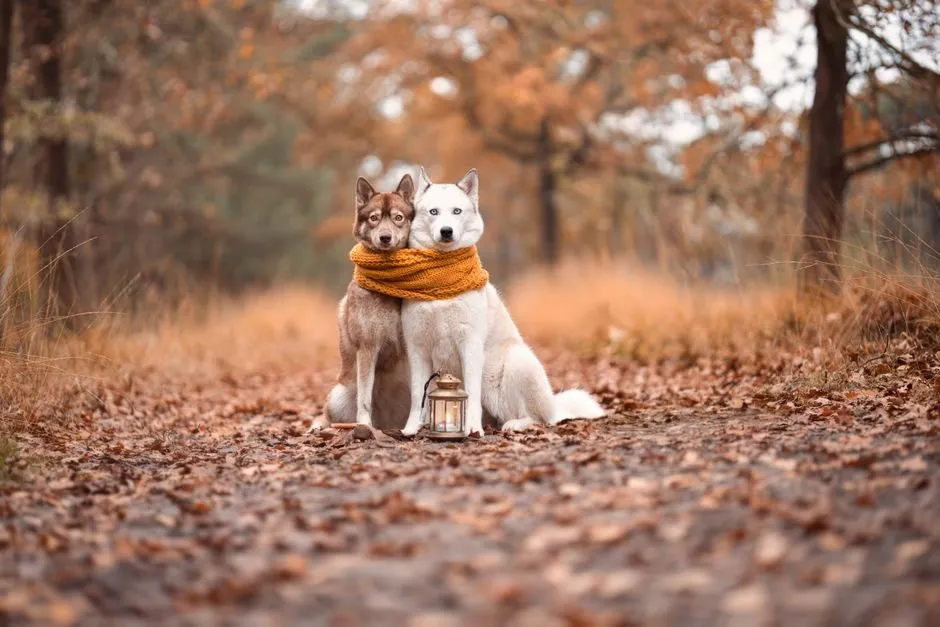
As November’s chilly winds sweep through Granbury and the surrounding communities, many pet owners find themselves wondering how best to keep their dogs and cats safe, healthy, and comfortable. At Acton Veterinary Group, we know that winter in North Texas may not bring endless snow, but cold snaps, icy mornings, and damp days can still create real hazards for your four-legged family members. Whether you are heading out for a walk with your dog or ensuring your indoor cat stays cozy, understanding cold-weather risks and making a few simple adjustments can make all the difference in your pet’s well-being. In this guide, our veterinary team at 2900 Fall Creek Hwy, Granbury, TX 76049 shares expert advice on recognizing seasonal dangers, managing your pet’s daily routine, and knowing when to seek professional help. We are here to support you in helping your dogs and cats thrive all winter long.
Recognizing Cold-Weather Risks for Dogs and Cats
Cold weather can impact dogs and cats in more ways than many owners realize. While some breeds are better equipped for chilly temperatures, all pets are at risk for certain issues when the mercury drops. Key symptoms of cold-related stress in pets include shivering, lethargy, whining, or seeking warm spots more than usual. You might also notice your dog hesitating to go outside or your cat curling up in tight, hidden spaces to stay warm. For pets with short coats, seniors, young animals, or those with chronic health problems, the danger is even greater. Additionally, walking your dog in the early morning or evening, when frost is most likely, can expose them to icy patches that may lead to slips or even frostbite on sensitive paws. For cats that venture outdoors, cold weather increases the risk of hypothermia, especially if they become trapped in garages or under porches overnight.
Hidden Hazards in the Winter Environment
Beyond the obvious chill in the air, cold weather brings unique hazards to the Granbury area. Antifreeze spills in driveways, de-icing salts on sidewalks, and rodenticides used around homes and sheds all pose poisoning risks for curious pets. Dogs and cats that lick their paws after walks may ingest these harmful substances, leading to vomiting, drooling, seizures, or even more serious consequences. Hypothermia and frostbite are not just concerns during rare snowstorms; even damp, windy conditions can quickly chill small or thin-coated pets. Watch for skin redness, swelling, or blisters on your pet’s ears, tails, or paw pads—these can signal frostbite. Additionally, pets spending more time indoors may face risks such as dry skin from forced-air heating or burns from heaters and fireplaces.
Why Pets Are Vulnerable to Cold Weather
Understanding why dogs and cats struggle with cold helps pet owners take the right precautions. Most companion animals are adapted to moderate climates, and even those with thick coats can become chilled if exposed to freezing temperatures for too long. Young puppies, kittens, elderly pets, and those with underlying health conditions such as arthritis, heart disease, or thyroid problems have reduced ability to regulate body temperature. Small breeds and hairless pets are especially vulnerable to rapid heat loss because of their size and lack of insulation. Even healthy adult pets can be caught off guard by sudden drops in temperature or cold rain, which saps body heat quickly.
The Role of Breed, Age, and Health
Breed differences play a big part in how well a pet tolerates the cold. Huskies and Malamutes may revel in brisk weather, but Chihuahuas, Greyhounds, and most cats are far less cold-tolerant. Older pets, especially those with arthritis, may become stiff and uncomfortable in cold, damp weather. Joint pain often worsens during winter, making it harder for dogs and cats to move around comfortably. Medical conditions such as diabetes or kidney disease further increase risk, as these pets may have trouble generating or maintaining body heat. If you have questions about your pet’s specific needs, a wellness examination or wellness exam for cats can help identify vulnerabilities before severe weather arrives.
Managing Your Pet’s Health and Comfort in Cold Weather
Taking proactive steps is the best way to ensure your dog or cat remains healthy throughout the colder months. Start by adjusting your pet’s routine to minimize exposure to cold, wet, or icy conditions. Walking your dog during the warmest part of the day, even if that means shifting your schedule, can help prevent chills and discomfort. For cats, especially those used to spending time outdoors, consider encouraging indoor play and enrichment to reduce time spent in hazardous conditions.
Paw and Coat Care
Pay close attention to your pet’s paws during winter. After each walk, check for signs of redness, cracking, or lodged ice between the toes. Cleaning your dog’s paws with a warm, damp cloth removes de-icing salts and chemicals that could be harmful if licked. Applying a pet-safe paw balm can help prevent dryness and cracking. For dogs and cats with longer fur, keep hair around the paws and between the pads trimmed to reduce ice accumulation. If your dog tolerates them, booties can provide an extra layer of protection against cold and chemicals.
Coat condition also matters in cold weather. While shaving your pet is not recommended during winter, regular brushing helps distribute natural oils and keeps the coat insulating. For short-haired or elderly pets, a well-fitted sweater or jacket may be necessary during walks or outdoor play. Always ensure clothing is dry and properly sized to avoid chafing or restricting movement.
Nutrition and Hydration
Cold weather can impact your pet’s appetite and hydration. Dogs and cats may need slightly more calories to maintain body heat, particularly if they remain active outdoors. However, overfeeding can lead to unwanted weight gain, so talk to our veterinary team about your pet’s ideal winter diet. Ensuring fresh, unfrozen water is always available is important, as dehydration remains a risk even in winter. Heated bowls or frequent water changes can help prevent freezing, especially for outdoor pets.
If you have nutritional questions or want to ensure your dog’s diet is optimized for the winter season, visit our nutrition guidance for dogs page for more information or to schedule a consultation.
Indoor Safety and Comfort
As pets spend more time inside, make sure your home is pet-friendly. Place beds away from drafty doors and windows, and provide plenty of soft, warm bedding. Be cautious with space heaters, fireplaces, and candles, as curious pets may accidentally knock them over or get burned. Dry air from heating systems can cause itchy skin, so consider using a humidifier or regularly brushing your pet to keep their skin healthy.
For cats, enriching the indoor environment is especially helpful during winter. Window perches, interactive toys, and climbing structures can prevent boredom and encourage activity without the risks of outdoor exposure.
Preventing Cold-Weather Illnesses and Accidents
Taking a few preventive measures can go a long way in keeping your dog or cat safe this winter. Routine veterinary care is the cornerstone of prevention, ensuring your pet is healthy enough to handle seasonal challenges. Scheduling a wellness examination for your dog or wellness exam for your cat before winter sets in allows our veterinarians to catch early signs of health issues that may worsen in the cold. Vaccinations, parasite prevention, and ongoing dental care remain important year-round, as some pests and pathogens are still active during Texas winters.
Protecting Against Parasites and Toxins
Although flea and tick activity decreases in winter, it does not disappear completely in North Texas. Dogs and cats can still pick up parasites on warmer days or during brief thaws. Continuing flea and tick prevention for dogs and flea and tick prevention for cats throughout the winter is the best way to protect your pet from itchy bites and disease transmission. Additionally, be mindful of the products you use to melt ice or clean up around your home. Opt for pet-safe de-icers and securely store chemicals and antifreeze out of reach.
Safe Outdoor Time
If your pet must spend time outside, provide shelter that is dry, insulated, and raised off the ground. Even brief exposure to freezing temperatures can be dangerous for small, young, or thin-coated pets. Limit outdoor playtime on especially cold, windy, or damp days, and always supervise your dog or cat while they are outside. After returning indoors, check for dampness, frostbite, or other signs of cold stress.
When to Seek Veterinary Care for Cold-Related Issues
Knowing when to call your veterinarian is vital for your pet’s safety during cold snaps. Warning signs that require prompt attention include persistent shivering, weakness, confusion, difficulty walking, or pale or bluish gums. Symptoms of hypothermia or frostbite may not always be obvious at first, but delays in treatment can lead to lasting damage or even become life-threatening. If your dog or cat has been exposed to severe cold or you notice any unusual behavior, contact Acton Veterinary Group for guidance.
Pets with ongoing medical conditions, such as arthritis, heart disease, or thyroid imbalances, may need adjustments to their treatment plans in winter. If your senior pet is struggling to get up, seems stiff, or is reluctant to move, a veterinary visit can help address underlying pain or medication needs. Likewise, if you suspect your dog or cat has ingested antifreeze or another toxin, do not wait—seek veterinary care immediately.
Our team is here to support you with comprehensive care during regular office hours. For emergencies outside those times, please refer to a trusted after-hours veterinary hospital, such as The PARC in Fort Worth, Burleson Animal Emergency Hospital, or I-20 Animal Hospital in Hudson Oaks.
Helping Your Pets Thrive All Winter: Local Support You Can Trust
Cold weather in Granbury can bring unexpected challenges for your dogs and cats, but with a little planning, you can help your pets stay safe, warm, and healthy all season long. By recognizing the signs of cold-related stress, adjusting routines, and taking preventive steps, you give your beloved companions the best chance to thrive. Remember, routine wellness examinations and ongoing preventive care are your first line of defense against winter health issues.
If you have questions about your pet’s winter health or need personalized advice, we encourage you to schedule an appointment with our veterinary team at Acton Veterinary Group. When searching for a vet near me who understands the needs of Granbury pets, you can rely on our expertise and compassionate approach. Reach out by calling (817) 326-7137 or visiting us at 2900 Fall Creek Hwy, Granbury, TX 76049 to keep your furry family members healthy and comfortable all winter long. Your pet’s health and comfort are always our top priorities.