
Even if your cat seems perfectly healthy, routine wellness exams are a key part of lifelong care. These visits help catch early signs of illness, track health changes over time, and give your veterinarian the chance to guide your cat’s care proactively. At Acton Veterinary Group in Granbury, TX, we encourage regular checkups to keep your cat feeling their best.
This page covers what happens during a wellness exam, what your vet is looking for, and why early detection and preventive care are so important to your cat’s long-term health.
What is a Cat Wellness Exam?
A cat wellness exam is a routine medical examination of a healthy cat, for the purpose of maintaining their optimal health and identifying potential issues early. These exams are pain-free and stress-free for your cat and essential for ensuring they are as healthy as possible. You might also hear them referred to as “check-ups” or “physical examinations.”
Wellness exams are recommended monthly for kittens and annually for adult cats. For middle-aged, senior, and geriatric cats, it is advised to have twice-yearly examinations as the likelihood of disease or discomfort increases with age. The frequency of exams depends on your cat’s age, health status, and lifestyle.
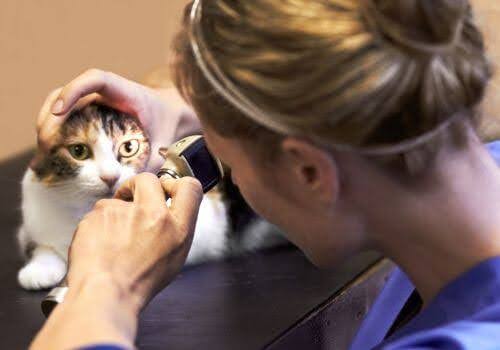
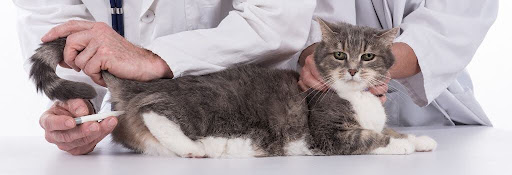
During a wellness examination, your veterinarian will ask questions about your cat’s diet, amount of exercise, typical behavior, daily habits, overall lifestyle, and general health. A head-to-tail physical examination will be performed, assessing various aspects of your cat’s health. Based on the findings, your veterinarian may recommend specific preventive treatments such as vaccinations, parasite control, dental care, supplements, and more. The AVMA reinforces the importance of cat wellness exams and compares them to a human’s need for regular physicals with their primary care physician.
What Will a Veterinarian Look for During a Cat’s Wellness Exam?
During a cat’s wellness exam, your veterinarian will assess the following:
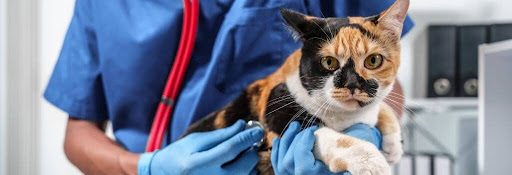
- Heart and lungs
- Ears, eyes, and nose
- Mouth and teeth
- Skin and coat
- Abdominal palpation
- Nervous system
- Urogenital system
- Hydration
- Weight and body condition
- Temperature
- Overall check for lumps, bumps, and skin issues
If your cat is under 10 years old, a basic blood panel will be conducted. For cats aged 10 or older, a senior blood panel is recommended which includes a complete blood count (CBC), biochemistry profile, urinalysis, and thyroid hormone testing. Based on your cat’s age and health status, your veterinarian will recommend necessary vaccinations. Core vaccines are recommended for all cats, while lifestyle vaccines are tailored to specific needs.
What Lab Work or Procedures May Be Involved?
Lab work and diagnostic procedures are essential in veterinary practice as they help in the early detection and diagnosis of illnesses in cats. In addition to blood panels, CBCs, and urinalysis, common laboratory tests include fecal testing, skin scraping, EKG, radiology, ultrasound, histopathology, cytology, and MRI.
These tests can help detect urinary tract infections, kidney and liver diseases, diabetes, intestinal parasites and infections, skin conditions, heart rhythm abnormalities, and potential heart disease. They also provide insight into hydration levels, metabolic rate, and kidney function.
How Does Wellness Impact a Cat’s Longevity and Health?
Wellness is an essential component of a cat’s longevity and quality of life. Regular preventive care helps prevent disease and allows health issues to be addressed early. Advanced medical conditions not only put your cat’s life at risk but can also lead to longer treatment times and higher veterinary costs.
Environmental wellness is also key. Providing a clean, low-stress environment, proper nutrition, dental care, mental stimulation, and maintaining a healthy weight all contribute to your cat’s overall well-being.
When Should I Bring My Cat in for a Veterinary Wellness Exam?
Kittens should have monthly visits, adult cats should have annual exams, and middle-aged, senior, and geriatric cats should be seen twice yearly.
If you notice vomiting, diarrhea, excessive drinking or urination, weight changes, coughing, lethargy, or behavior changes, consult your veterinarian promptly. Early detection can significantly improve outcomes.
What Are Some Signs and Symptoms That My Cat Might Not Be Feeling Well?
- Changes in appearance: Hunched posture, reduced mobility, head tilt
- Energy or behavior changes: Hiding, withdrawal, clinginess
- Coat changes: Dull or ungroomed appearance
- Appetite changes: Persistent increase or decrease
- Litter box issues: Straining or accidents
- Breathing difficulties: Rapid or labored breathing
- Discharge: From eyes or nose
- Digestive issues: Vomiting, diarrhea, constipation
- Weight changes: Sudden gain or loss
- Bad breath: Often linked to dental disease
Why Is Early Detection So Important to the Well-being of My Cat?
Cats age faster than humans, and illnesses can progress quickly. Regular wellness exams with blood and urine testing allow veterinarians to identify problems early and intervene before disease advances.
Early detection improves treatment success, reduces suffering, and can prevent sudden medical crises.
Conclusion
Cat wellness exams are essential for maintaining long-term health. Through regular exams, preventive care, and early detection, your veterinarian can help ensure your cat enjoys a healthier, longer life.
At Acton Veterinary Group, your pet is our priority. If you have any questions, call us at (817)-326-3400 or email [email protected]. Our team would love to help.
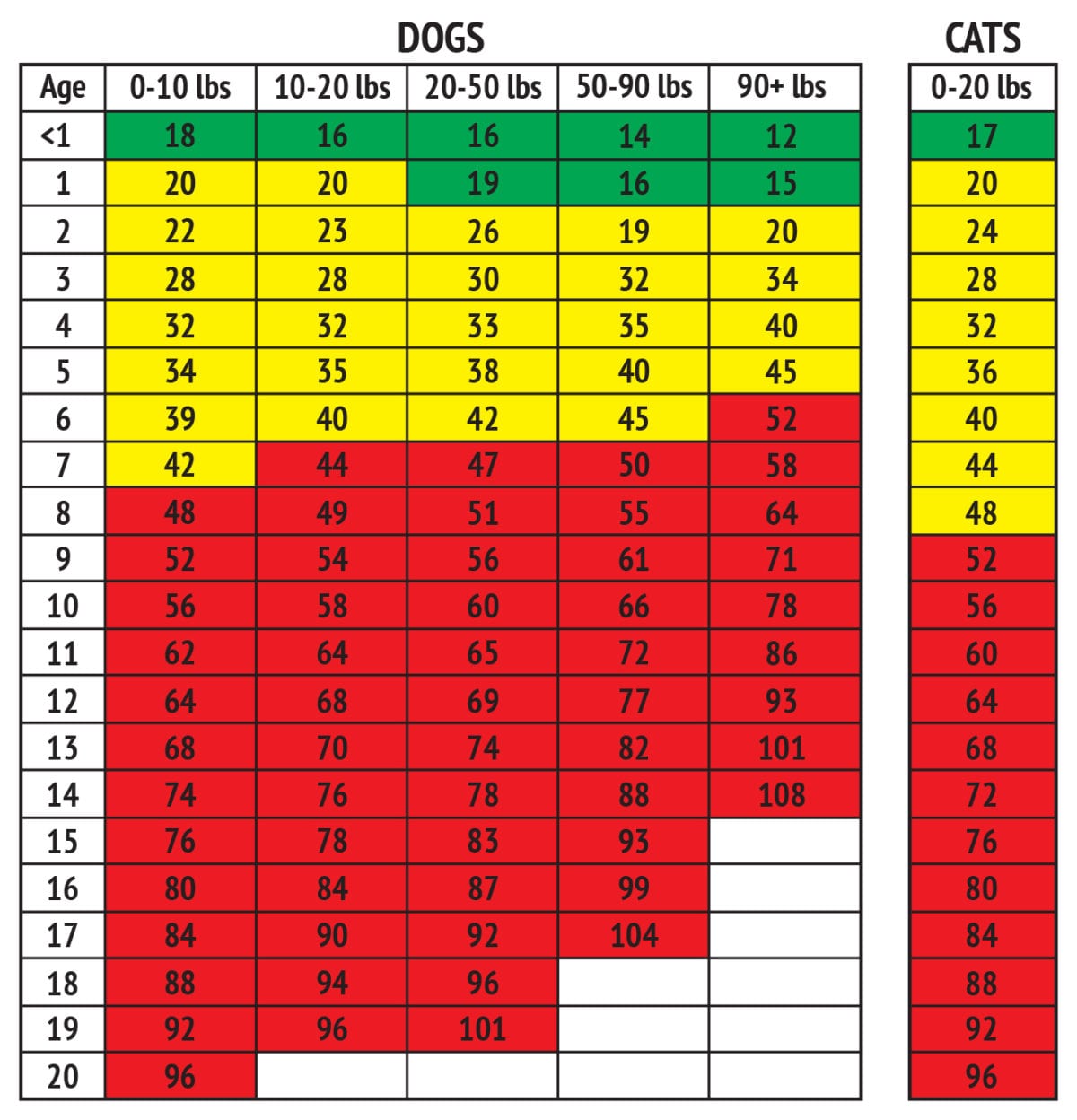
Decoding the Chart
Depending on which color category your pet fits into, different diagnostic tests may be recommended.
GREEN – Every 3–4 weeks until 4 months of age
- Fecal and heartworm tests
- Preventive care exam
- Vaccinations vary by species
YELLOW – Every 12 months
- Annual preventive care exam
- CBC, chemistry panel, heartworm test, fecal
RED – Every 6 months
- Senior health screen (CBC, extended chemistry, thyroid, urinalysis, fecal)
- Biannual preventive care exam